



A common question is how long does dental implants last (near Troy, IL)? Short answer: most implants last many years—often 10–30+ years—when placed and cared for properly. Lifespan depends on several factors covered below. This quick, practical guide explains typical outcomes, the main risks, signs of trouble, and simple steps you can take to protect your investment.
How long does dental implants last: typical lifespan
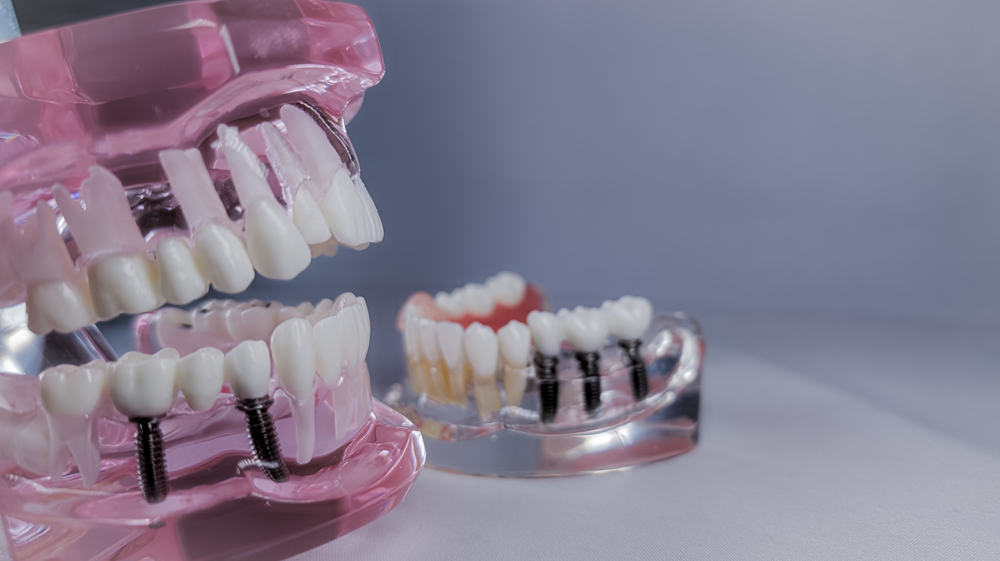
Most modern dental implants last 10–30+ years. Long-term studies show overall implant survival rates above 90–95% at 10 years for well-placed, well-maintained implants. It helps to separate the implant fixture (the titanium screw in the bone) from the crown or prosthetic. The fixture can last decades if osseointegration holds, while crowns, abutments, or bridges may need replacement every 10–15 years due to wear, fracture, or aesthetic changes.
Key factors that determine implant longevity
Bone quality and osseointegration
Good bone volume and density allow the implant to fuse with the jaw (osseointegration). If bone is weak or if grafting fails, the implant is more likely to loosen or fail. Proper planning and, when needed, bone grafts improve chances for long-term stability.
Oral hygiene and gum health
Plaque and bacteria around an implant can cause peri-implantitis—an infection of the gum and bone that can lead to bone loss and implant failure. Daily brushing, interdental cleaning, and regular professional cleanings are essential to prevent this.
Systemic health and lifestyle
Smoking, uncontrolled diabetes, osteoporosis, and heavy grinding (bruxism) raise the risk of complications. Managing medical conditions, quitting tobacco, and using protective appliances can dramatically improve outcomes.
Prosthetic design and materials
The crown material, abutment design, bite forces, and placement angle affect wear and breakage. High-quality materials and careful prosthetic design reduce the need for early repairs or replacements.
Common signs an implant needs attention
– Any mobility of the implant or crown – New or worsening pain around the implant – Persistent swelling or discharge – Gum recession exposing the implant or abutment – Bone loss visible on X-rays If you notice these signs, seek prompt professional evaluation to catch problems early.
Practical steps to make implants last longer
Daily care and professional cleanings
Brush twice daily with a soft brush, use floss or interdental brushes around implant restorations, and schedule professional cleanings every 3–6 months as recommended by your dentist.
Regular exams and imaging
Routine exams and periodic X-rays help detect bone loss or failing components before they become irreversible.
Lifestyle and appliance strategies
Quit smoking, control chronic conditions like diabetes, and wear a nightguard if you grind your teeth to protect implants from excessive forces.
What to expect long-term: maintenance, repairs, and costs
Expect occasional maintenance: crowns or abutments may need replacing, and minor repairs are more common than complete implant loss. Ask about warranties or maintenance plans when planning treatment to understand long-term costs.
Why choose Troy Family Dental for implant care
Troy Family Dental in Troy, IL focuses on implant-centered care with personalized treatment plans and modern technology to improve long-term outcomes.
Experienced doctors and advanced tech
– Dr. Richard Boatman Jr., DMD, PC — decades of implant and sedation experience – Dr. Jordan Spencer, DDS — oral surgery and advanced grafting expertise – Yomi® robotic guidance, TeethXpress®, digital imaging, and sedation options to improve precision and comfort
Quick FAQs
Q: Can implants fail?
— A: Yes, but failure is uncommon with proper planning and care.
Q: How often do crowns need replacing?
— A: Often every 10–15 years depending on wear and materials.
Q: Are implants worth it long-term?
— A: For many patients, yes—implants offer durable function and improved quality of life. If you’re in Troy, IL and want a personalized implant longevity plan, contact Troy Family Dental for a consultation.
