




Intro If you want to know what are implants made out of and why it matters, this guide will help. Material choice affects strength, how natural the tooth looks, and long-term health of bone and gums. Whether you’re asking “what are implants made out of in Troy, IL” or just doing research, understanding the materials helps you make a smart decision with your dentist.
Common Implant Materials: What Are Implants Made Out Of?
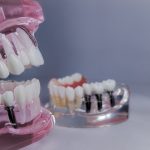
Today’s dental implants are mostly made from commercially pure titanium, titanium alloys, or zirconia (a type of ceramic). Titanium has a long track record for strength and bone bonding. Zirconia is tooth-colored and growing in popularity for front teeth where aesthetics matter most.
Material Deep Dive: Titanium & Titanium Alloys
Composition and why it’s used
Titanium is a metal that is very biocompatible—bone grows tightly around it in a process called osseointegration. Alloys add small amounts of other metals to increase strength for larger restorations.
Pros and cons
Pros: very strong, proven long-term results, works well for most patients. Cons: metal color can show through thin gums, and very rarely some people report metal sensitivities.
Common use cases
Titanium is often chosen for back teeth, multi-unit bridges, and full-arch solutions where bite forces are highest and maximum strength is needed.
Material Deep Dive: Zirconia (Ceramic) Implants
What zirconia is
Zirconia is a strong ceramic that can be white or tooth-colored. It comes in single-piece designs (implant and abutment one piece) and newer two-piece systems that give more restorative flexibility.
Pros and cons
Pros: excellent aesthetics, low plaque buildup, and a metal-free option for those with sensitivities. Cons: less long-term data than titanium and some designs can be more brittle under extreme force.
Common use cases
Zirconia is favored for front teeth and for patients who want a fully metal-free restoration or superior gum color in the smile zone.
Main Components of an Implant and Their Materials
Implant fixture (the root)
The fixture is the part placed into bone. Typical materials: titanium or zirconia. Its surface design and material drive osseointegration.
Abutment (connector)
The abutment connects the fixture to the crown. Options include titanium, zirconia, or hybrid abutments. Abutment choice affects gum color and the strength of the final restoration.
Crown or prosthetic
Crowns are often porcelain-fused-to-metal, all-ceramic, or full-contour zirconia. Choices balance aesthetics, wear resistance, and how well they match your natural teeth.
How Material Choice Affects Success
Biocompatibility & osseointegration
Materials that bond well to bone (like titanium and certain treated zirconia) improve long-term stability. Good bonding reduces movement and failure risk.
Aesthetics & soft-tissue response
Ceramic implants or zirconia abutments can prevent a grayish gum tint and often look more natural in thin gum tissue. Metal options remain strong but may need tissue management for best aesthetics.
Allergies, imaging, and maintenance
True metal allergy is rare; zirconia offers a metal-free alternative. Both materials are safe with X-rays; titanium shows on X-ray while zirconia may appear differently. Hygiene remains crucial for all implants.
How Dentists Decide Which Material to Use
When patients ask “what are implants made out of in Troy, IL,” dentists weigh patient goals, bite forces, medical history, and bone quality. Single front teeth, thin gums, or metal sensitivity push toward zirconia. Heavy bite forces, multi-unit or full-arch cases often favor titanium. Digital planning and guided placement can also influence the best material choice.
Common Patient FAQs
Will implants set off metal detectors or affect MRI? No—implants rarely trigger detectors and titanium is generally MRI-safe; always tell MRI staff you have implants. How long do implants last? With good care, both titanium and zirconia implants can last decades; individual factors matter. Are ceramic implants safer or more natural-feeling? Ceramic can feel natural and offer aesthetic benefits, but “safer” depends on case specifics and long-term clinical evidence.
Why Advanced Technology and Experience Matter
Choosing the right material is easier with experienced clinicians and modern tech. At Troy Family Dental, our team uses digital X-rays, facial scanners, and guided systems like the Yomi® robot and TeethXpress® to plan precise implant placement and match materials to each case.
Next Steps: Getting a Personalized Answer
If you’re still wondering “what are implants made out of,” schedule a consult to review options based on your smile, health, and goals. Troy Family Dental in Troy, IL offers full consultations, sedation options, and advanced imaging to create a tailored plan that fits your needs.
